
For global mining equipment distributors, optimizing the supply chain is key to improving competitiveness and profit margins. As a world-class foundry and manufacturing hub, China offers tremendous opportunities for sourcing crusher wear parts. However, many buyers face challenges in completing the entire process—from sourcing to delivery—efficiently and securely.
This guide outlines the full workflow for importing wear parts such as high manganese steel and alloy steel from China, helping you avoid risks and build stable, reliable supply channels.
Step 1: Precisely Define Your Product Requirements
Before searching for suppliers, clarifying your needs is the first step to success. Vague requirements lead to higher communication costs and purchasing errors.
Clarify Part Type & Equipment Model
Identify which crusher components you need:
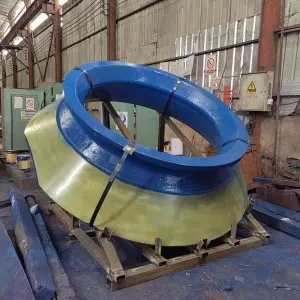
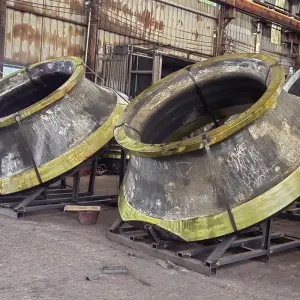
Concaves and mantles for gyratory/cone crushers
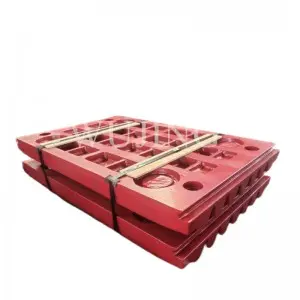
Jaw plates for jaw crushers
Blow bars for impact crushers
Always provide accurate equipment brand and model information, or part drawings and part numbers.
Determine Key Materials
Material directly determines wear part service life and cost. Choose the most suitable material based on ore hardness and operating conditions:
High Manganese Steel (Mn13Cr2, Mn18Cr2): Ideal for high-impact, high-stress conditions such as primary crushing.
Alloy Steel: Balances toughness and wear resistance, suitable for medium-impact applications.
High Chromium Cast Iron / Medium Chromium Cast Iron: Extremely high hardness and excellent wear performance, designed for low-impact, high-abrasion secondary or tertiary crushing.
Confirm Order Quantity
Specify your initial order volume and estimated annual purchasing volume. This helps suppliers evaluate cooperation potential and provide competitive pricing.
Step 2: Identify and Evaluate Potential Suppliers
Finding a reliable supplier is central to successful importing. Evaluate candidates across these key dimensions:
Assess Factory Hard Power
A strong factory forms the foundation of quality and stable supply. Focus on:
Production Scale: Factory area, workshop count, and employee size. A facility with over 150,000 ㎡ of land, 5 branch plants, and 800+ employees typically indicates strong production capacity.
Output Capacity: Monthly and annual production volume. Capacity exceeding 3,000 tons per month and 45,000 tons per year can support large bulk orders.
Specialized Equipment: Complete in-house production lines including melting, molding, heat treatment, and machining, with large-scale professional machinery.
Evaluate Technical & Quality Control Capabilities
Professional technical teams and strict QC systems ensure products meet international standards.
Technical Team: Experienced R&D and engineering staff capable of providing material recommendations and customized solutions.
QC Process: Full-process quality control from incoming material inspection to production monitoring and finished-product testing (spectrometry, hardness testing, impact testing).
Industry Experience: How many years in foundry and wear parts? Over 30 years of expertise usually reflects mature, stable technology.
Review Service & Communication Ability
Smooth communication and reliable after-sales support greatly reduce cooperation risks.
Response Speed: Timely, professional replies from sales and technical teams.
Service Scope: One-stop services including design, reverse engineering, fabrication & assembly.
After-Sales Guarantee: Clear after-sales service and warranty terms.
Step 3: RFQ, Negotiation & Order Confirmation
Once you shortlist preferred suppliers, proceed to inquiry and negotiation.
Send a Detailed RFQ
Provide all information prepared in Step 1: part drawings/models, material requirements, quantity, target price, etc. The more detailed your request, the more accurate the quotation.
Request Samples or Conduct Factory Audits
For large orders, strongly request samples for testing to verify dimensional accuracy, material properties, and service life. If possible, an on-site factory tour or third-party inspection is the best way to confirm real supplier capabilities.
Confirm Key Commercial Terms
Before placing an order, finalize all critical details:
Final Price: Confirm trade terms—FOB, CIF, or other Incoterms.
Payment Terms: Commonly T/T, L/C, etc.
Production Lead Time: Duration from order confirmation to goods readiness.
Packaging Method: Ensure packaging withstands long ocean transport and prevents rust and damage. For critical components, sandblasting and zinc spraying effectively extend service life.
Step 4: Logistics, Customs Clearance & After-Sales Service
Once production is complete, the logistics and delivery phase begins.
Arrange Shipment: Choose supplier-arranged transport (e.g., CIF) or your designated freight forwarder (e.g., FOB).
Prepare Customs Documents: Ensure suppliers provide complete, accurate documents including commercial invoice, packing list, bill of lading, and certificate of origin.
Goods Receipt & Feedback: Inspect quantity and quality upon receipt, maintain communication with suppliers, and share field performance feedback to support long-term cooperation.
Conclusion
Importing crusher wear parts from China is a systematic process, but following these steps allows you to manage the entire workflow effectively. The core is partnering with a reputable manufacturer like Wujing—one with strong production capacity, strict quality control, and a customer-focused service philosophy. A successful procurement brings significant cost advantages and stronger market competitiveness to your distribution business.
Post time: Jul-06-2026