
In resource recycling projects across coastal regions worldwide, seafood processing byproducts such as oyster shells, clam shells, shrimp and crab shells are widely recycled to produce animal feed calcium powder, soil conditioners, eco-friendly fillers, and biological calcium carbonate.
Unlike mineral rocks in mining, seafood shells are high-moisture bio-calcium materials with organic residues, alkaline properties and strong adhesion tendencies. This imposes special requirements on crusher selection, crusher wear parts material selection, and overall anti-corrosion treatment of the equipment.
From an international procurement and project operation perspective, this article analyzes key points in crushing solution design and equipment configuration for seafood shell processing.
Special Challenges of Seafood Shell Properties to Crushing Processes
Seafood shells (e.g., oyster shells) have a Mohs hardness of approximately 3–4, similar to limestone. However, they feature a porous layered structure with smooth curved surfaces, and undried raw materials often contain salt, protein residues and moisture (moisture content up to 10%–15%).
This creates three typical problems during crushing:
Adhesion and screen clogging: Wet organic residues easily stick to screens and crushing chambers, causing severe blockages in traditional hammer crushers with grates.
Slippage and inefficient crushing: curved shells tend to “idle and slip” between smooth jaw plates or smooth rollers, reducing crushing efficiency.
Corrosion and odor buildup: residual salt and organic matter accelerate corrosion of carbon steel parts under long-term humid conditions, while raising stricter hygiene requirements for workshops.
Therefore, shell crushing plant design cannot simply copy hard rock crushing standards; it must balance anti-sticking performance, easy cleaning, and corrosion resistance.
Recommended Equipment Selection for Coarse Crushing Stage
Deep-Cavity Jaw Crusher
Modified deep-cavity jaw crushers are suitable for primary crushing of seafood shells (reducing whole shells to 40–80mm).
Compared with standard models, the following features are recommended:
Deep crushing chamber and large nip angle design to improve gripping of curved shells
Non-dead-zone structure to reduce wet material accumulation
For small-capacity lines with high hygiene requirements (e.g., food-grade calcium powder pre-processing), hygienic jaw crushers with 304 or 316 stainless steel liners and contact parts are optional.
Toothed Roll Crusher / Double Roll Crusher
For medium-scale shell processing lines, differential speed counter-rotating toothed roll crushers are an optimal choice.
Wolf-teeth rollers crush wet and slippery shells via shearing and extrusion. The screenless design eliminates clogging, and automatic scrapers remove material buildup on rolls, making them ideal for high-moisture, incompletely dried feedstock.
Caution with Traditional Hammer Crushers with Screens
High-speed impact hammer crushers perform well on dry shells, but wet shells easily blind grate screens and cause frequent downtime.
If use is unavoidable, screens should be removed or openings enlarged, with acceptance of a high fines ratio (potentially over 60%).
Secondary Crushing & Complete Line Auxiliary Equipment
After coarse crushing, materials typically proceed to fine crushing or directly enter the milling stage (Raymond mill or vertical mill for calcium powder production).
Upstream configuration recommendations:
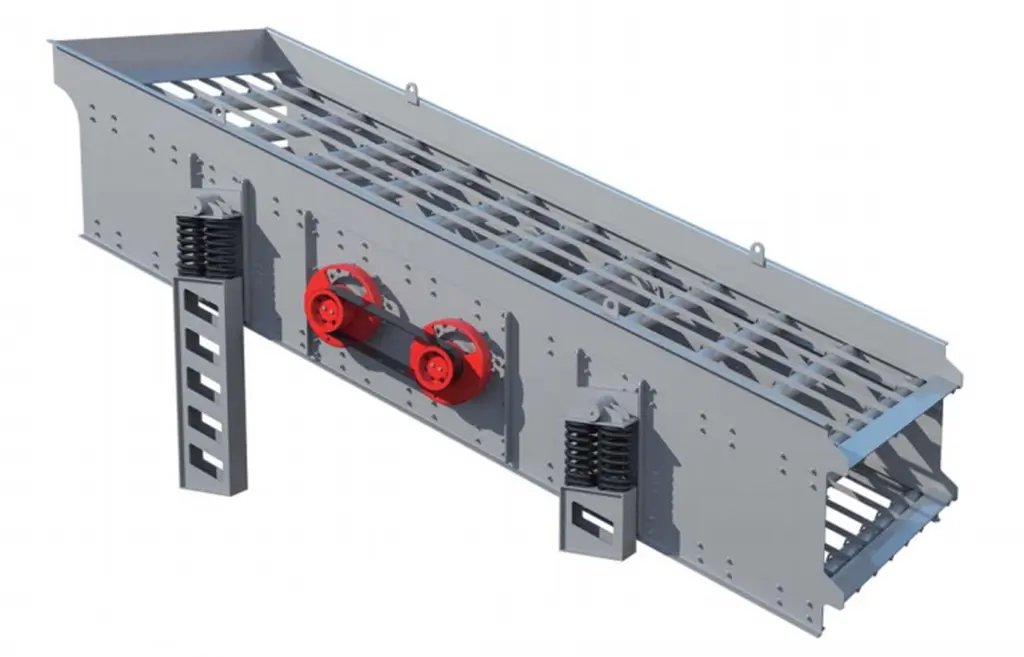
Rotary screen or vibrating screen: pre-remove sand, silt and excessive fine powder
Permanent magnetic iron separator: remove occasional metallic foreign objects
Feeder: uniform feeding to avoid instantaneous overload on toothed rolls or jaw plates
Sand washing/rinsing stage (optional): fresh water washing before crushing removes excess salt and organic matter, reducing corrosion and improving final calcium powder purity.
Wear Parts Material Selection for Corrosive & High-Humidity Environments
Seafood shells are less abrasive than quartzite, but the main threat to equipment is corrosion-abrasion synergy — salt and organic moisture accelerate corrosion of the metal matrix, leading to spalling of hardened layers.
Recommendations for different components:
Jaw Plates: Standard ZGMn13 (Mn13Cr2) high manganese steel suffices for dry shell applications. For long-term high-moisture, high-salt conditions, chromium carbide spray welding or higher-alloyed high manganese steel can be used to delay corrosion-induced thinning.
Blow Bars / Hammers: High-chromium cast iron (Cr26/Cr27) offers high wear resistance but is brittle; suitable when shell sand content is low. For corrosion concerns, martensitic alloy steel hammers provide a better toughness compromise.
Crushing Chamber Liners & Contact Surfaces: For food/feed-grade production lines, 304/316 stainless steel liners or alumina ceramic tiles mounted on carbon steel substrates are recommended to resist salt-spray corrosion and avoid iron ion contamination.
Frame & Bolt Fasteners: Hot-dip galvanizing or stainless steel parts for base frames and exposed bolts. Seals upgraded to fluororubber for improved acid/alkali resistance and aging resistance.
Operation, Maintenance & Service Life Optimization Tips
Pre-drying or water washing desalination: air-drying raw materials to below 8% moisture or fresh water rinsing + centrifugal dewatering can extend liner life by 30%–50%.
Regular high-pressure washing: rinse crushing chambers with clean water after each shift to prevent organic decay, scaling and chloride-induced corrosion.
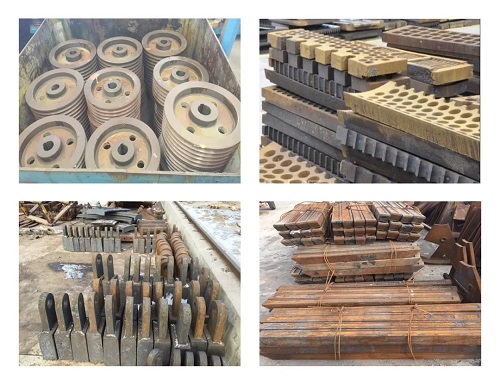
Spare parts management: although shell lines experience slower wear than quarries, one set of jaw plates and appropriate quantity of hammers should be stocked based on annual consumption. Prioritize OEM-sized drawings fully matching original machines from suppliers.
#SeafoodShellCrushing #OysterShellCrusher #WearPartsForShellProcessing #CorrosionResistantCrusher #BiologicalCalciumCrushing #JawPlateForShells #HammerCrusherForSeafoodWaste #RecyclingCrusherSolutions #AntiCorrosionWearParts #CalciumPowderProductionLine
Post time: Jun-17-2026