
With the booming development of infrastructure construction, the demand for high-quality sand and gravel aggregates has remained stable, making small sand and gravel production lines a popular choice for entrepreneurs entering the industry. However, budget planning is the core premise of successful startup—many investors struggle with unclear cost breakdowns and end up overspending or missing key expenses. For startup investors, small construction enterprise owners, and project planners, mastering the budget composition and influencing factors of small sand and gravel production lines is essential to avoid risks and improve investment returns. Below, we systematically sort out the key points of budget planning.
Core Budget Composition: Where Does the Investment Go?
The budget for a small sand and gravel production line is not a single figure but consists of multiple modules, including core equipment investment, auxiliary facility costs, operation and maintenance expenses, and compliance certification fees. Among them, core equipment accounts for the largest proportion, while the other modules vary according to site conditions and regional policies. Understanding the characteristics of each part can help investors make more accurate budget estimates.
1. Core Equipment Investment: The Largest Cost Item
The core equipment of a small sand and gravel production line mainly includes crushing equipment, screening equipment, and conveying equipment. Their quality and performance directly determine the production efficiency and product quality, and also affect the long-term operation cost. The budget for this part is closely related to the type of raw materials (such as limestone, granite, river pebbles) and the required output (usually 50-200 tons per hour for small lines).
Crushing Equipment: The “Heart” of Production
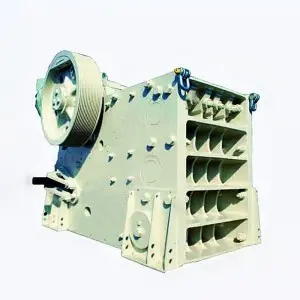
For small production lines, jaw crushers are often used as primary crushing equipment, and cone crushers or impact crushers as secondary crushing equipment according to the hardness of raw materials. The cost of crushing equipment varies with models and output. What’s easily overlooked is the later replacement cost of crusher accessories—wear parts such as crusher jaws, impact plates, and liners need regular replacement, which is an important part of long-term operation costs. Investors should not only consider the initial purchase price but also pay attention to the availability and cost-effectiveness of accessories.
Screening and Conveying Equipment: Guaranteeing Continuous Operation
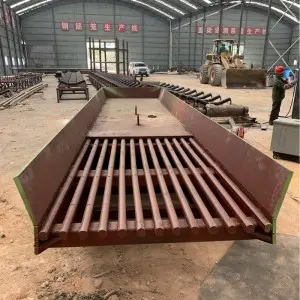
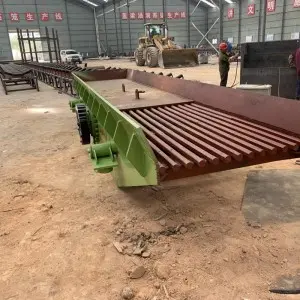
Vibrating screens are used to classify aggregates of different particle sizes, and their budget is related to the number of layers and screening accuracy. Conveying equipment such as belt conveyors connects each process link to ensure continuous production. The length and quantity of conveyors need to be determined according to the site layout, which will also affect the overall budget. Generally speaking, the combined cost of screening and conveying equipment accounts for 20%-30% of the core equipment budget.
2. Auxiliary Facility Costs: Easy to Be Ignored but Indispensable
Auxiliary facilities are the guarantee for the normal operation of the production line, and their budget often accounts for 15%-25% of the total investment. They mainly include site renovation, dust removal and environmental protection equipment, and water and electricity supporting facilities.
Site renovation includes land leveling, foundation construction for equipment installation, and workshop construction (optional for open-air production). The cost varies greatly according to the terrain and regional land prices. In addition, with the increasingly strict environmental protection policies,dust removal equipment such as bag filters or cyclone dust collectors has become a mandatory configuration. The budget for environmental protection equipment should not be cut, otherwise, it may face the risk of shutdown due to non-compliance.
Water and electricity supporting facilities include transformer installation, cable laying, and water supply systems. The power of small production lines is usually 50-200kW, and the electricity fee is a long-term operation cost that needs to be considered in the early budget planning.
3. Operation and Compliance Costs: Ensuring Long-Term Operation
In addition to the initial investment, investors also need to reserve operating funds for the first 3-6 months, including labor costs, raw material purchase costs, and maintenance costs. For small production lines, 3-5 operators are usually needed, and the labor cost varies by region.
Compliance certification fees are another key expense. Before starting production, investors need to go through procedures such as environmental impact assessment, production license, and safety certification. The cost of these procedures varies by region and industry policies. It is recommended that investors consult local relevant departments in advance to avoid budget shortages due to incomplete understanding.
Key Tips for Budget Control
1. Customize the production line according to raw material characteristics: For example, granite with high hardness requires more wear-resistant crushing equipment and accessories, while river pebbles have lower requirements, which can reduce the initial investment appropriately.
2. Prioritize cost-effectiveness of equipment: It is not necessary to pursue high-end equipment blindly. For small production lines, cost-effective equipment that meets the production needs and has easy access to accessories is more suitable.
3. Reserve contingency funds: It is recommended to reserve 10%-15% of the total budget as contingency funds to deal with unexpected expenses such as equipment maintenance and policy adjustments.
Conclusion
The budget for investing in a small sand and gravel production line is affected by many factors, and there is no fixed standard. The key is to clarify the production needs, accurately calculate the cost of each module, and avoid blind investment. For startup investors, focusing on the cost control of core equipment such as crusher accessories and complying with environmental protection and safety regulations are the core to ensuring the success of the project. With reasonable budget planning and scientific configuration, small sand and gravel production lines can achieve stable profits in the competitive market.
Post time: Dec-10-2025