
A purchasing manager at a 4,500 tpd cement plant in Vietnam lined up two quotes for the same heavy wear casting mantle and found a 19% price gap between suppliers, with no visible difference in the drawing, the Mn13Cr2 grade call-out, or the stated delivery week. The first quote landed at USD 3,120 per piece and the second at USD 3,720, and neither side would explain the delta beyond a footnote about a raw material adjustment. A heavy wear casting quote is rarely a single number; it is a stack of independent cost lines that move at different speeds, and the buyer who cannot read those lines is the one who pays the silent surcharge. This article breaks down how a foundry actually builds that number and which lines a buyer can realistically pull down.
How the Raw Material and Alloy Surcharge Is Built
The largest and least visible swing in a wear casting price is the ferro-alloy input cost, led by high-carbon ferromanganese, ferrosilicon and chromium. Scrap steel sets the base at roughly USD 420 per tonne, but a Mn18Cr2 mantle carries about 18% manganese and 2% chromium by mass, so the alloy package alone can add USD 380 to USD 540 per tonne of liquid metal. Most foundries pass metal-price movement through with a monthly surcharge mechanism indexed to published alloy prices, which means a quote valid in week one may be 6% to 9% higher by week four if manganese spikes.
The dangerous part for buyers is timing. A fixed-price window of 15 to 21 days protects you when you lock metal before the surcharge resets, and you should always ask for the index source in writing. Treat the surcharge line as negotiable only at the moment of order, not after the melt card is issued, because the foundry has already bought the alloy at the higher rate and cannot refund it.
Melting Energy, Moulding and the Yield You Never See
Electric furnace melting is the second heavy line. An induction furnace typically consumes 580 to 620 kWh per tonne while an arc furnace runs closer to 700 kWh per tonne, and at an industrial tariff of USD 0.11 per kWh that is a USD 64 to USD 77 swing per tonne before any casting exists. Moulding and pattern cost sit on top: a new resin-sand pattern for a cone mantle can run USD 2,400 to USD 3,800, amortised across the first order only if you commit to reorders. Pattern ownership and storage terms therefore matter as much as the piece price when you plan a multi-year supply.
Yield is the line most buyers forget. The running system, risers and feeders can add 18% to 30% of weight that is cut off, returned to the furnace and remelted, so a 1,200 kg finished mantle may have consumed 1,560 kg of liquid metal. A foundry with poor pattern discipline quietly charges you for that lost yield, and the only defence is a quoted casting yield figure in the offer that you can benchmark against prior heats.
Heat Treatment, Machining and the Cost of a Slow Month
Manganese steel must be water toughened at 1,050°C and quenched, and that thermal cycle plus NDT inspection adds USD 90 to USD 160 per tonne. Machining of seal faces and threaded bosses is another line that varies with your tolerance call-out, and a tight ISO h7 fit costs more than a standard fit because of extra setup hours on the floor and more scrap risk.
Ask for an as-cast surface where function allows to drop machining hours on non-wearing faces.
Confirm the NDT scope — full MPI on every piece versus sampling at 10% changes cost by USD 25 to USD 40 per tonne.
Watch the overhead line in a low-utilisation month, when fixed costs are spread over fewer tonnes and the unit rate creeps up.
Which Cost Lines in a Casting Quotation Can a Buyer Actually Move?
The honest answer is that roughly 40% of the quote is negotiable and the rest is physics. You can move order consolidation, tolerance relaxation, a longer lead time, an annual volume commitment, accepting as-cast surfaces and standard patterns. You cannot move the ferro-alloy index, the kWh of melting, water toughening chemistry or port haulage distance once the route is set, and pretending otherwise just wastes the negotiation.
Consolidate three small orders into one 12-tonne heat to share the pattern and furnace setup.
Relax the drawing tolerance from ±1 mm to ±3 mm on non-critical faces to cut machining.
Commit to a 12-month volume of 60 tonnes to earn a 5% to 8% framework discount.
Never expect movement on the alloy surcharge index — that line is passed through, not discounted.
A Worked Cost Breakdown for One Mantle
Take a finished 1,200 kg Mn18Cr2 mantle with a 1.30 casting yield, melted in an induction furnace and water toughened. The build looks like this: scrap and alloy at USD 1,050 per tonne of liquid, melting energy at USD 68, moulding amortised at USD 95, yield loss at USD 240, heat treatment and NDT at USD 130, machining at USD 110, overhead at USD 180, packing and inland haulage to port at USD 95, and the foundry margin that lifts a USD 2,980 base to a landed ex-works total of about USD 3,180. A buyer who consolidates the order and accepts as-cast faces can pull that figure to roughly USD 2,860, a saving of close to 10% with no change to the metallurgy.
The 19% gap from the opening scene is now explainable: one supplier folded the pattern and surcharge into a thin margin, the other carried a low-utilisation overhead and a wider tolerance allowance. Neither was cheating; they were simply pricing different risk and different yield assumptions, which is why two drawings that look identical on paper can sit worlds apart on price. Note also that the worked number above is ex-works and excludes the finance line: paying by a 90-day letter of credit instead of 30% advance adds roughly 1.5% to 2% to the effective cost because the foundry carries the working capital, and a moving USD/CNY rate can shift the final invoice by another 2% to 3% between quote and shipment.
What Should a Buyer Do Before Sending the Next RFQ?
Before you send the next request for quotation, separate the lines you can control from the lines you cannot, and ask every supplier to itemise the surcharge index, the casting yield and the NDT scope in writing. The winners in this market are the buyers who treat the quote as a ledger, not a verdict, and who benchmark each foundry against the same ten cost lines.
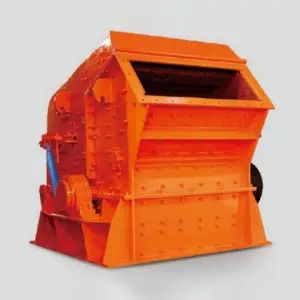
The PF series impact crusher with a full set of high chrome blow bars is one place where a standard pattern and annual commitment can collapse the per-unit tooling cost, so specify that configuration early in your tender to capture the saving before the pattern is cut.
For jaws, the C series jaw crusher with manganese cheek plates and wedge assemblies benefits from consolidated reorder lots that share a single furnace heat and lower the energy spread across the year.
And when you run Sandvik equipment, the Sandvik JM series crusher with matched mantle and concave liners lets you lock a 12-month volume and a fixed surcharge window to remove most of the price noise before the melt card is issued.
Your next step is practical, not theoretical: build a two-column RFQ that forces every foundry to quote the same ten cost lines side by side, then negotiate only the four lines you can actually move. A buyer who prices the casting yield and surcharge timing up front typically removes 10% to 14% of hidden cost before a single mould is poured, and that discipline turns a confusing 19% gap into a number everyone can defend on the audit trail.
Related Pages
Jaw Plate Pricing Guide: Cost Analysis by Material Grade
Mantle vs Bowl Liner: Key Differences Every Aggregate Buyer Must Know
OEM vs Aftermarket Crusher Wear Parts
Post time: Oct-29-2026