
In global sand & aggregate and manufactured sand production lines, dry sand making and wet sand making are the two dominant process routes. The dry process removes stone powder via air classifiers with minimal water usage throughout, making it widely used in water-scarce regions or applications requiring controlled stone powder retention. The wet process washes away mud and excess fines through sand washing machines, delivering high cleanliness final sand, making it suitable for feed materials with high mud content or areas with abundant water resources. Although the two processes show little difference in main equipment selection — both covering jaw crushers, cone crushers, impact crushers, and vertical shaft impact (VSI) sand makers — their operating environments, especially material moisture content, mud content, and dust concentration, significantly alter wear mechanisms within crushing chambers, which further affects the optimal material selection and replacement cycles of crusher wear parts.
Impact of Dry Sand Making Conditions on Wear Parts & Material Recommendations
In dry sand making production lines, materials are typically characterized by low moisture content, accompanied by high-concentration stone powder dust in crushing chambers. During the compressive crushing process in jaw crushers and cone crushers, dry and hard quartz or feldspar particles cause typical high-stress abrasive cutting wear on high manganese steel jaw plates and cone crusher mantle and bowl liner.
Thanks to sufficient impact energy in dry conditions, ZGMn13 or Mn18Cr2 high manganese steel fully work-hardens to HB450–550 upon impact, delivering excellent overall service life, making it the most common standard configuration in dry-process hard rock production lines.
For impact crushers used in the dry process, when feeding highly abrasive materials such as low-mud granite and river pebbles without foreign iron contaminants, high chrome cast iron blow bars provide superior abrasion resistance over manganese steel due to their extremely high carbide hardness, effectively extending blow bar replacement intervals. When processing construction waste or reinforced recycled aggregates in dry lines, it is recommended to switch to high-toughness high manganese steel or martensitic alloy steel blow bars to prevent breakage.
VSI crushers in dry systems often perform dual functions of shaping and sand making. For the ‘rock-on-rock’ cavity design, rotor tips and distribution plates are usually made of extra-high manganese steel such as Mn18Cr2 or Mn22Cr2 to resist repeated high-speed particle impact. Under the ‘rock-on-iron’ mode, anvils can adopt high chrome cast iron inserts or tungsten carbide overlay layers to handle extreme abrasion.
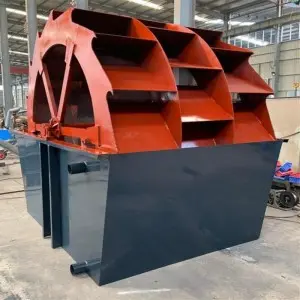
Impact of Wet Sand Making Conditions on Wear Parts & Material Recommendations
In the wet process, material moisture content is generally high, and slurry often adheres to crushing chambers and wear part surfaces. For high manganese steel wear parts, the water medium causes slight electrochemical corrosion and weakens work-hardening layer formation. The moist buffer reduces single-impact intensity, limiting surface hardness to only around HB200–250, reducing wear resistance by approximately 30% to 40% compared with dry conditions.
Therefore, when crushing medium-low hardness and high-mud materials such as limestone in wet processes, buyers often choose Cr-Mo alloy steel or modified high manganese steel Mn13Cr2 under low impact loads. These materials feature higher initial hardness and better uniform wear resistance than conventional high manganese steel under combined corrosive and abrasive conditions.
For impact crusher blow bars in wet lines processing medium-abrasive limestone with high mud content, martensitic alloy steel blow bars offer the best cost performance — balancing decent toughness and higher initial wear resistance than standard high manganese steel, while avoiding brittle fracture common with high chrome cast iron when small iron pieces are mixed in muddy slurry. High chrome cast iron blow bars can still be applied in wet-process hard rock sand lines, provided that feed materials are properly de-ironed and low in mud to prevent stress corrosion and micro-cracking.
For cone crusher liners and jaw crusher liners in wet applications, high manganese steel grades remain the mainstream recommendation due to the high-energy impact during compression. However, in highly corrosive environments involving salty or high-sulfur groundwater, modified high manganese steel or alloy steel liners with added chromium and molybdenum help slow intergranular corrosion and premature spalling.
Recommended Wear Part Materials by Process & Equipment Type
Jaw Crusher Jaw Plates:
Mn18Cr2 or Mn22Cr2 high manganese steel is preferred for dry-process hard rock; Mn13Cr2 modified high manganese steel or Cr-Mo alloy steel can be considered for wet-process medium-low hardness muddy materials.
Cone Crusher Mantle and Concave:
Extra-high manganese steel ZGMn18Cr2 for dry high-impact compression conditions; alloy steel or composite embedded liners can be evaluated for wet highly corrosive or low-impact fine crushing stages.
Impact Crusher Blow Bars and Impact Plates:
High chrome cast iron for dry highly abrasive clean materials; high manganese steel for recycled materials or applications with foreign object risks; martensitic alloy steel for wet medium-abrasive materials; high chrome cast iron for wet highly abrasive clean materials.
VSI Crusher Rotor Tips & Anvils:
Extra-high manganese steel for rotor tips and distribution plates; high chrome cast iron or tungsten carbide composite components for anvils based on abrasion severity.
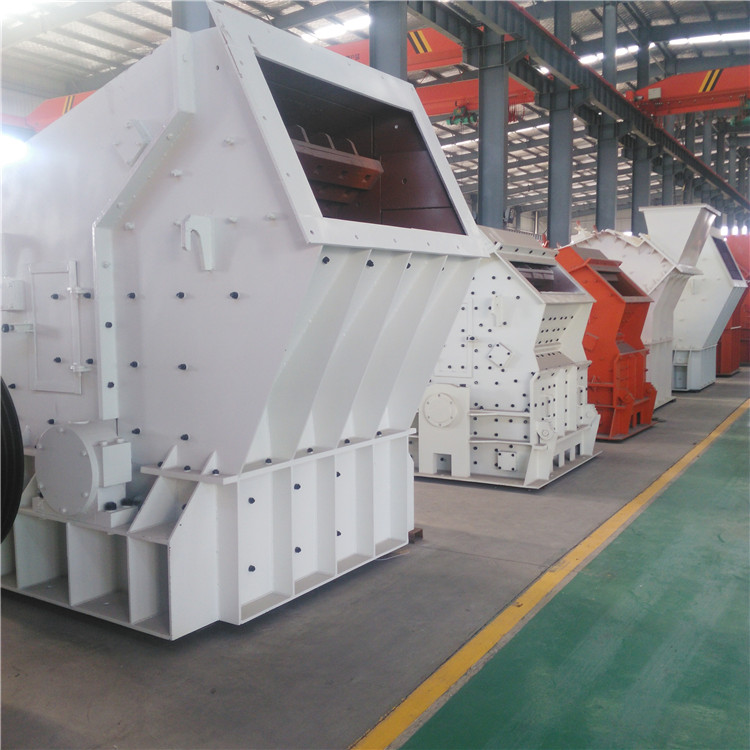
Key Purchasing Decision Points
Whether using dry or wet processes, providing wear part casting suppliers with crusher brand and model, OEM part numbers, feed lithology and silica content, moisture content range, and target cost per ton is essential for receiving accurate material recommendations.
For wet lines with high corrosion tendencies, requiring suppliers to provide a Mill Test Certificate (material spectral analysis) and hardness test records is particularly critical. Many older production lines experience abnormal premature wear after switching sand making processes without updating wear part materials. Regularly verifying material compatibility based on actual wear patterns — including cutting grooves, corrosion pitting, and fatigue spalling — is key to continuously optimizing cost per ton crushed.
Understanding the fundamental differences in wear mechanisms between dry and wet sand making processes, and scientifically matching aftermarket crusher wear parts including high manganese steel, alloy steel, and high chrome cast iron accordingly, helps aggregate operators maintain high uptime while achieving precise control over spare parts expenditure.
Post time: Jun-22-2026