
The loading ramp is still greasy from transport film, the electrician has powered up the main panel, and the plant manager is already promising the cement line a running crusher by Friday, yet no one in the room has signed off on a single test result.
The Commissioning Window Opens Before the First Rock Enters the Box
You should freeze the commissioning plan with the contractor at least 14 days before the machine reaches site so utilities, lifting gear and trained staff are ready on day one. Too many cement and mining buyers treat delivery as the finish line, but a crusher that has cleared the harbour is still a liability until it has proven it can crush rock under load.
A crusher started without confirmed lubrication lines and coupling alignment will destroy its own bearings inside the first 8 hours of running. Walk the belt guards, check the directional rotation of the flywheel, and confirm the control panel shows zero fault before you allow a single start.
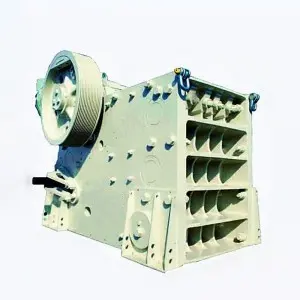
When you prepare to run the compound pendulum jaw crusher for primary crushing of hard ore and aggregate, keep the feed hopper empty and the discharge clear so the no-load sequence is never interrupted by a jammed conveyor or a wrongly sequenced starter.
How Long Should the No-Load and Load Test Actually Run?
Run the empty machine for a continuous 2-4 hours and listen for abnormal hammering, then move to a graded load test of 8-24 hours before any full-capacity trial. The no-load run is your cheapest insurance and it is the step most often skipped under schedule pressure, which is why cement plants with a single production line cannot afford to rush it. A graded load means feeding at 25%, 50%, 75% then 100% of design rate.
Keep the crusher on a steady feed for a minimum of 72 hours and record data every 30 minutes so you capture thermal stability under fatigue, not just a happy first shift. Short supplier demos of 2 hours fool buyers, while a 72-hour window exposes the bearings, seals and drive that fail only after they warm up and settle into real duty.
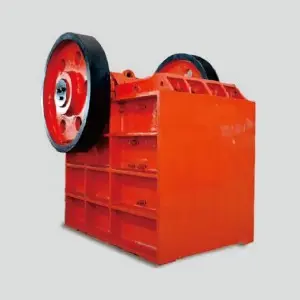
Mining groups running the WJG series jaw crusher model for high-capacity mining ore reduction and quarry feeding should extend the continuous trial to 96 hours when the ore is wet and abrasive, because moisture swings the bearing temperature more than dry rock ever will.
What Bearing Temperature and Vibration Limits Are Safe to Accept?
Reject any machine whose bearing temperature rise exceeds 40 C above the ambient reading during the load test, because a rise that high points to misalignment or insufficient lubrication. The absolute ceiling matters more than the early trend, and a reading that climbs steadily even within a soft limit is a warning you should not wave through at sign-off.
Set the acceptance threshold at a maximum bearing temperature of 70 C and treat any reading above that as a stop-and-investigate event, not a footnote in the commissioning report.
A vibration velocity above 4.5 mm/s on the bearing housing signals looseness or rotor imbalance that will shorten liner life within weeks of startup. Capture the number at the same 30-minute mark as temperature so the acceptance file shows a clean, correlated curve the plant engineer can defend later.
Blue-book limits such as 40 C rise, 70 C max and 4.5 mm/s are the floor you negotiate from, and a written deviation needs sign-off from the buyer, not the vendor alone.
How Do You Confirm the Rated tph Without Guessing?
Weigh the inbound material for a full 2-hour window and compare the actual tonnage against the contracted 120 tph so the gap is a measured number, not a sales argument.
If the drive draws 55 A while the rated load is 90 kW, the crusher is either underfed or the setting is too open, and neither state proves the machine can meet its nameplate. Record amperage next to tph every 30 minutes, because current is the honest proxy for mechanical load when the belt scale is still being calibrated.
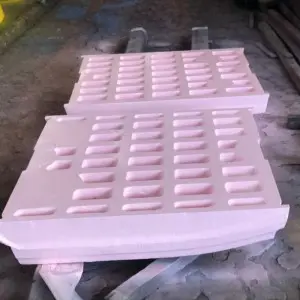
Keep a spare WUJ jaw crusher wear parts set for manganese liners and blow bars replacement on the shelf before commissioning so the 72-hour trial is never paused waiting for a freight shipment from the foundry to arrive.
How Do You Sample Crushed Product for Size Verification?
Take a minimum of 5 grab samples from the discharge belt at 30-minute intervals during the continuous run and composite them before sieve analysis so one lucky scoop cannot pass the machine.
Refuse acceptance if the product fails to meet 80% passing 19 mm at the agreed closed-side setting, because oversize in a cement raw mill feed wrecks the downstream ball mill liner life.
Document the sampler name, belt speed and the exact closed-side setting next to each sieve result so a third party can repeat the test months later without ambiguity.
The Document Checklist You Must Hold Before Signing Acceptance
Never sign the acceptance certificate until the material certificate, the non-destructive testing report, the certificate of conformity and the wear parts list are physically in your hand. Verbal promises do not survive a warranty dispute, and a signature handed over early is the hardest thing to unwind once the machine is buried in concrete and running shifts.
Material certificate proving the manganese and alloy grades match the purchase order, with heat numbers traceable to the castings installed on your machine.
Non-destructive testing report covering MPI or ultrasonic inspection of critical welds and the main frame, stamped by a qualified inspector.
Certificate of conformity confirming the crusher left the works within drawing tolerance and passed the factory load run before shipment.
Wear parts list naming every liner, blow bar and cheek plate with the correct part number for future reorder directly from the foundry.
A missing NDT report on the frame welds is a red flag that no discount should buy, because fatigue cracks in that location are impossible to repair cheaply once the structure is carrying live load and vibration every hour.
A Practical New Machine Acceptance Test Checklist
Confirm lubrication and alignment before the first start, with a signed pre-start sheet from the contractor on file.
Complete a 2-4 hour no-load run and a graded 8-24 hour load test before the continuous production trial begins.
Hold a 72-hour continuous run with 30-minute logging of temperature, vibration, current and tph for the full window.
Verify limits of 40 C rise, 70 C max bearing temperature and 4.5 mm/s vibration velocity on every bearing.
Weigh feed for 2 hours and confirm the machine reaches the contracted 120 tph at the agreed closed-side setting.
Composite 5 discharge samples and prove 80% passing 19 mm through standard sieve analysis with photographs.
Collect all four documents listed above and refuse signature until the file is complete and the warranty clock is clear.
The machine on your pad is an asset only after it has earned the signature, not before the truck pulled away from the gate. A crusher that passes the 72-hour trial, holds 70 C, stays under 4.5 mm/s and delivers 120 tph with the right papers in hand is a crusher you can actually put on the production line, and that disciplined handover is what separates a smooth startup from a warranty nightmare for both cement plants and mining groups.
Related Pages
Jaw Plate Pricing Guide: Cost Analysis by Material Grade
Mantle vs Bowl Liner: Key Differences Every Aggregate Buyer Must Know
OEM vs Aftermarket Crusher Wear Parts
Post time: Nov-02-2026