
Not all the shipping methods for heavy liners and how to reduce freight costs are created equal, and the difference between a good purchase and a costly mistake often comes down to knowing what to ask. This guide breaks down the key factors, from material specs to supplier verification, so you can buy with confidence.
What Are the Shipping Methods for Heavy Liners and How to Reduce Freight Costs?
the Shipping Methods for Heavy Liners and How to Reduce Freight Costs represent an important category within the crusher parts industry. Whether you are sourcing for retail distribution, industrial applications, or project-specific requirements, understanding what they are and how they work is essential for making informed purchasing decisions.
In simple terms, the shipping methods for heavy liners and how to reduce freight costs refers to products designed to meet specific performance criteria within the crusher parts space. The quality, material composition, and manufacturing process all determine how well the final product performs in real-world conditions.
The Mechanics Behind the Shipping Methods for Heavy Liners and How to Reduce Freight Costs
At a technical level, the shipping methods for heavy liners and how to reduce freight costs works through a combination of material properties and structural design. The manufacturing process, whether it involves casting, molding, machining, or assembly, determines the final product’s strength, durability, and performance characteristics.
Different production methods yield different quality levels. For example, products made with high-pressure die casting typically offer better dimensional accuracy than those made with gravity casting. Knowing the difference helps you evaluate supplier quotes more effectively.
Advantages for Importers
Quality consistency: Reputable manufacturers maintain tight tolerances and conduct regular quality checks throughout production.
Scalability: As your business grows, a capable supplier can scale production to meet increasing demand without compromising quality.
Technical support: Good suppliers provide engineering support, helping you optimize designs and troubleshoot issues.
Real-World Applications
the Shipping Methods for Heavy Liners and How to Reduce Freight Costs finds applications across multiple industries. In the crusher parts sector specifically, it is used in both consumer-facing products and industrial systems where reliability is critical.
Common use cases include new construction, renovation projects, equipment manufacturing, and aftermarket replacement parts. Each application may require different specifications, so it is important to communicate your intended use to the supplier clearly.
Comparing the Shipping Methods for Heavy Liners and How to Reduce Freight Costs to Other Options
the Shipping Methods for Heavy Liners and How to Reduce Freight Costs are not the only choice in the crusher parts segment. Before you decide, weigh them against competing solutions:
Cost versus lifespan: A lower unit price may translate into higher replacement frequency. Calculate total cost of ownership before choosing.
Installation complexity: Some alternatives require specialized tools or skilled labor, which can increase project timelines and budgets.
Availability: Standardized products are easier to source and replace, while highly customized options may create long-term dependency on one supplier.
Environmental impact: Recyclable materials and energy-efficient production processes are becoming important selection criteria in many markets.
Purchase Criteria
Before placing an order for the shipping methods for heavy liners and how to reduce freight costs, use this short checklist:
Confirm specifications: Every dimension, material grade, tolerance, and finish should be written into the purchase order to avoid disputes.
Check export experience: Suppliers who have shipped to your region understand packaging, labeling, and documentation requirements.
Plan for inspection: Reserve budget for pre-shipment inspection or third-party verification, especially on the first order.
Explore Our Products
The following products are directly relevant to the shipping methods for heavy liners and how to reduce freight costs. Click through for detailed specifications, pricing, and ordering information:
Product Catalog:
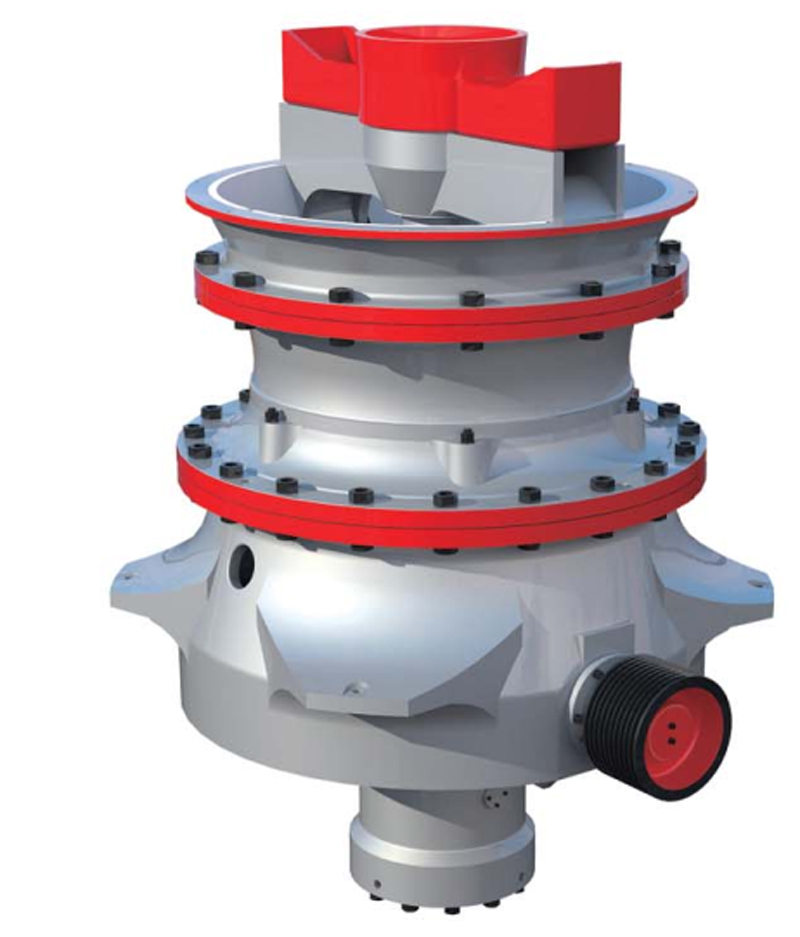
Rotary Crusher
Jaw Crusher
High Manganese Steel
Products Catalog
Sourcing Notes
Raw material locking: For commodities-sensitive products, negotiate a raw material price ceiling. This protects both parties from sudden spikes in metal, plastic, or energy costs.
Packaging impact: Many buyers underestimate how packaging affects landed cost. Custom retail packaging can add 8-15% to the unit price, but it also improves shelf appeal and reduces damage during transit.
Frequently Asked Questions
Q1: What should I look for when buying the shipping methods for heavy liners and how to reduce freight costs?
Focus on three things: material quality (request material grade specifications), certification compliance (ensure certificates match your market requirements, ISO 9001, CE), and supplier reputation (check export experience and request references from buyers in your region).
Q2: How do I verify a supplier before placing a bulk order?
Request a video factory tour, ask for business license and certification copies, order a product sample, and commission a third-party audit (SGS, TUV) for high-value orders. These steps catch most common supplier issues before you commit.
Q3: What is the typical lead time for crusher liner?
Standard products: 15-30 days. Custom products: 30-45 days. Tooling for new designs adds 15-30 days. Sea freight to North America or Europe takes 25-40 days. Plan your ordering schedule accordingly.
Q4: What payment terms are standard?
The most common terms are 30% deposit with 70% balance against bill of lading copy. For larger orders ($50,000+), consider a letter of credit. New relationships may require 50% deposit until trust is established.
Q5: Can I get custom branding on the shipping methods for heavy liners and how to reduce freight costs?
Yes. Most manufacturers offer OEM/ODM services including logo printing, custom packaging, and private labeling. Minimum order quantities for customization typically range from 500 to 1,000 units depending on the complexity.
Conclusion
The difference between a smooth sourcing experience and a costly disaster is almost always preparation. Know what you need, know who you are buying from, and document everything. When you are ready to move forward, browse our complete product range and request a sample to verify quality firsthand.
Post time: Sep-02-2026